
Categoria: Yoga
-
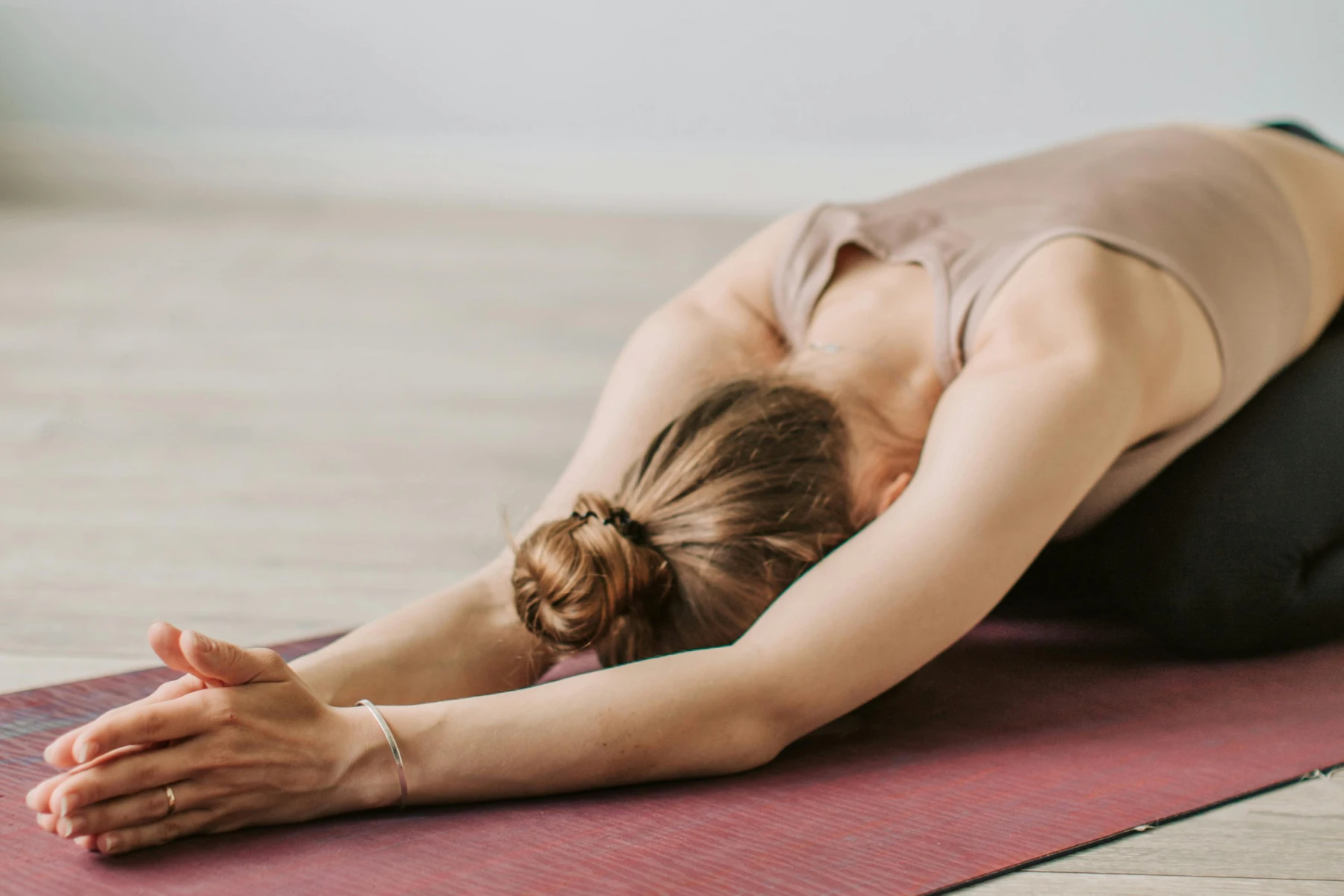
From back pain to perfect posture: 4 simple & effective yoga poses
Do you spend hours hunched over a desk, a smartphone, or behind the wheel? You’re not alone. In our modern world, poor posture is a widespread issue, leading to chronic back pain, tension headaches, and decreased energy levels. The good news? You don’t need expensive equipment or hours at the gym to fix it. Just 10 minutes a day of focused yoga practice can realign your spine, strengthen supporting muscles, and help you stand taller and feel better.
-
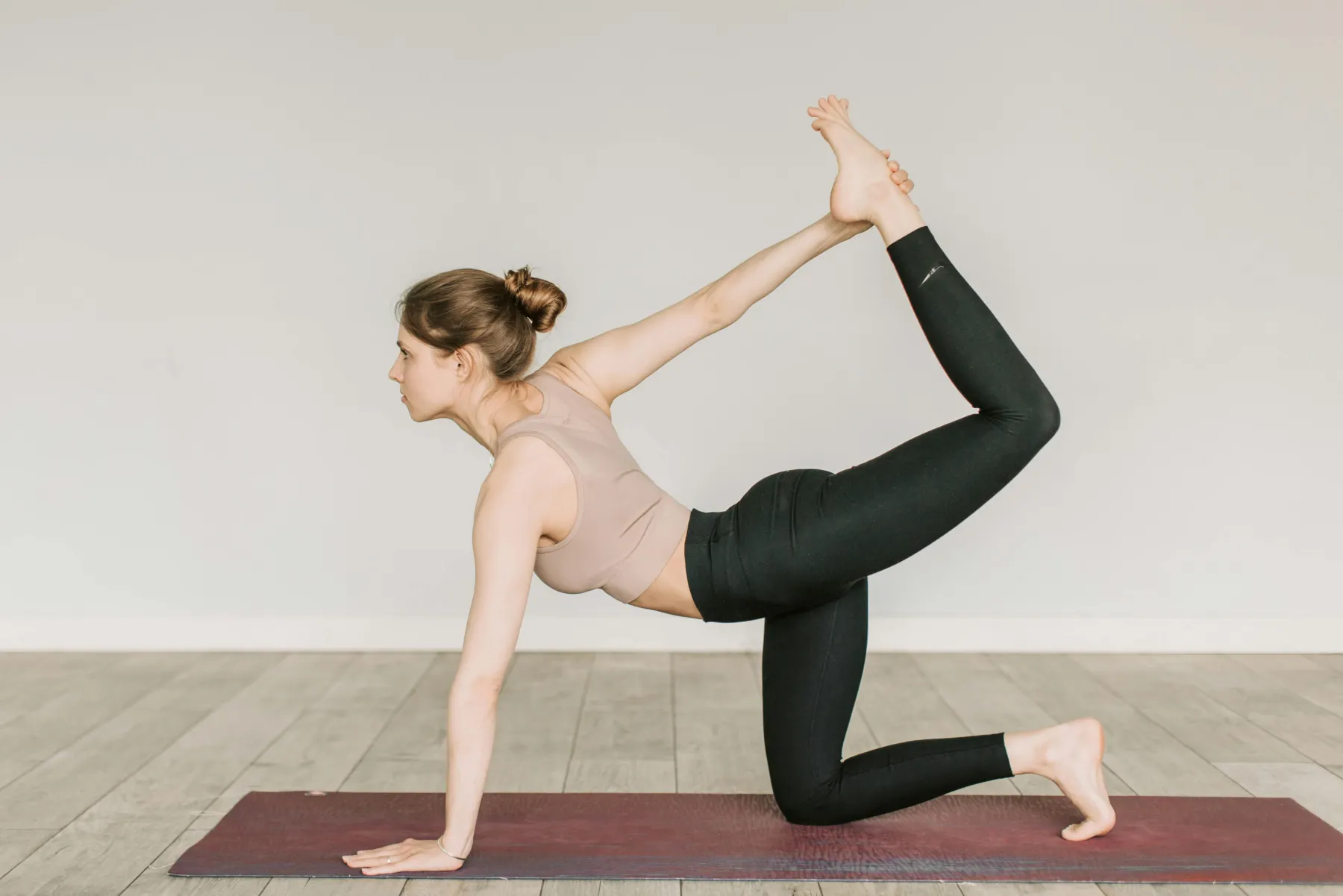
Flexibility myths: do you have to be ‘rubber’ to do yoga?
The image of yoga is often a person twisting themselves into a perfect pretzel, touching their toes with ease, or balancing on one hand. These images create a common misconception: “I’m not flexible enough for yoga.” The truth? You don’t need to be naturally flexible to start practicing yoga or Pilates. In fact, being inflexible is the best reason to start! Flexibility is a benefit of the practice, not a requirement to begin. Here, we debunk the biggest myths about flexibility and show you how to safely increase your range of motion.
-
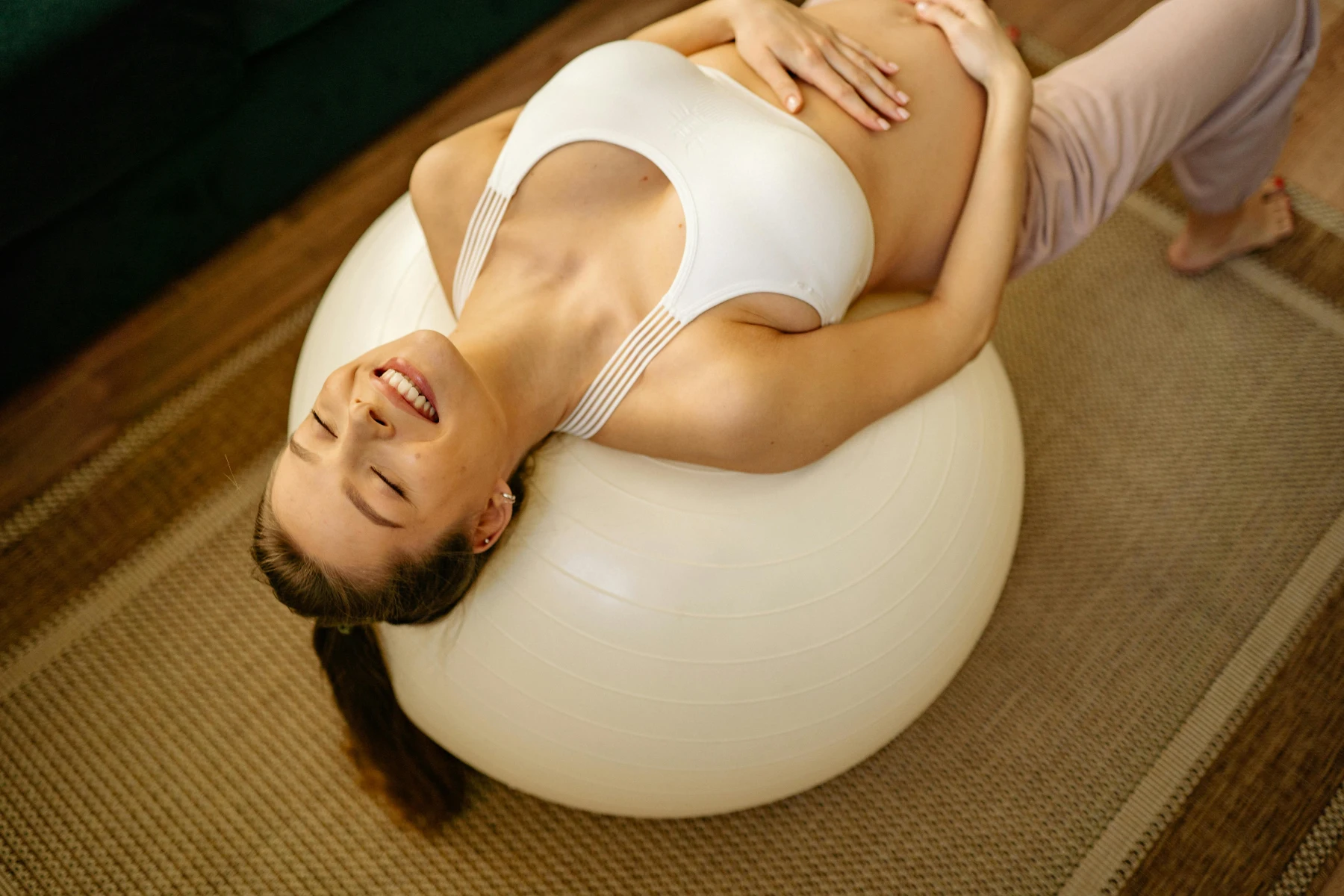
Pilates and yoga for pregnant women: safe exercises for a comfortable pregnancy
Pregnancy is a remarkable time of change in your body. And while the thought of physical exercise might raise concerns, moderate and adapted activity is actually one of the best things you can do for yourself and your baby. Pilates and yoga are specifically designed to support your body throughout all three trimesters, alleviate common discomforts, and prepare you for labor and delivery.