Myth #1: you have to be “bendy” to do yoga.
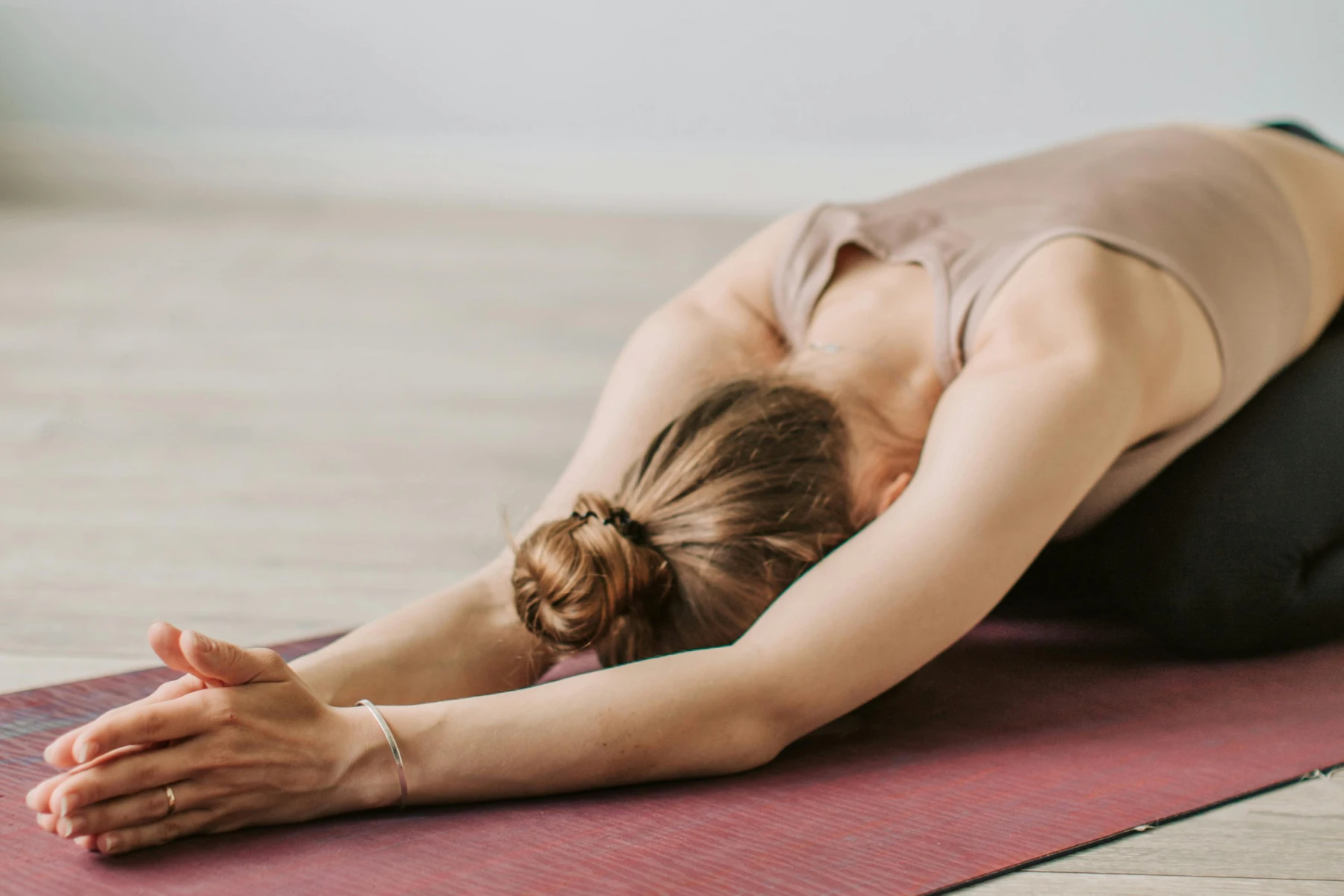
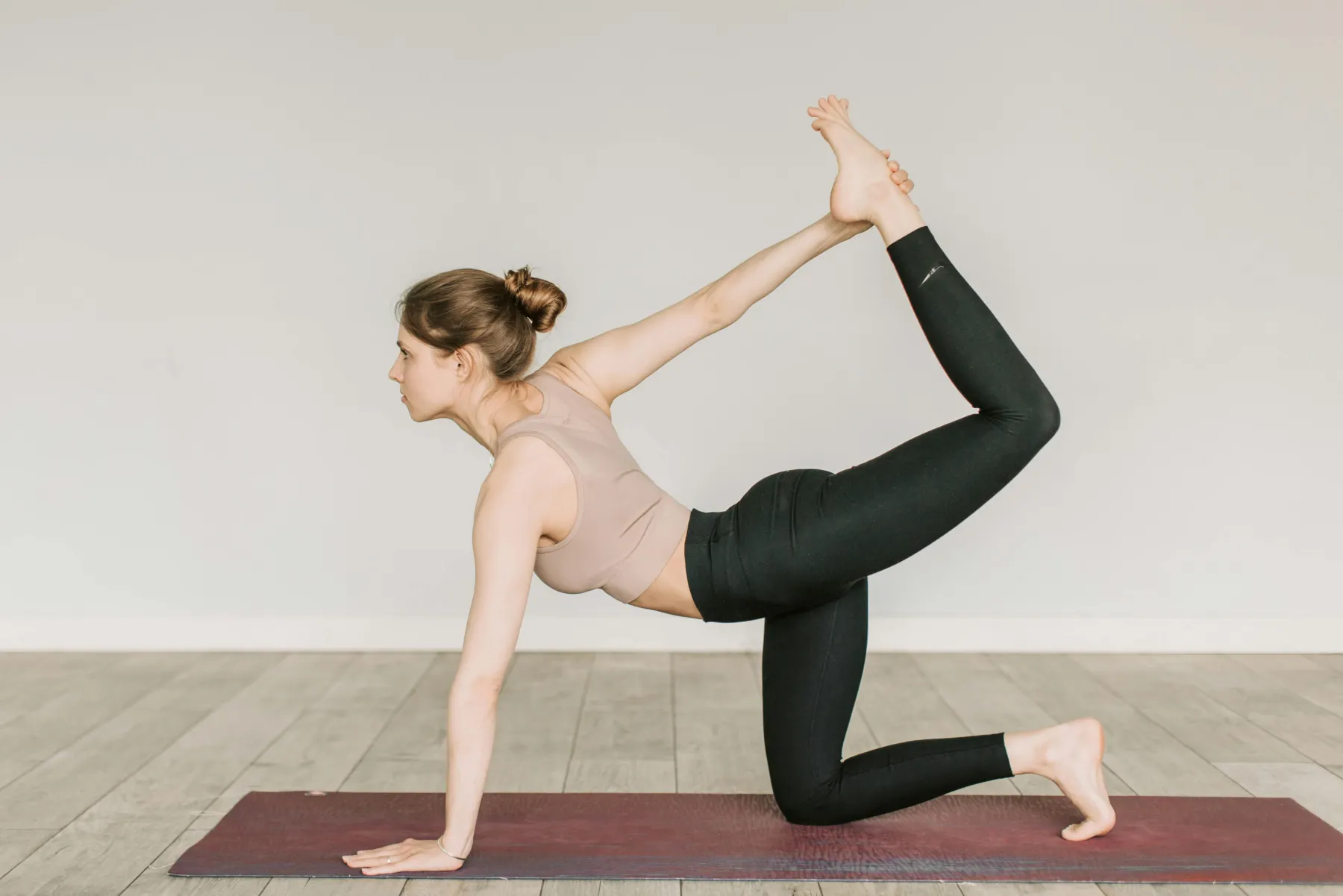
Fact: Everyone starts where they are. Your body is unique, and its current range of motion is simply its starting point. Yoga is a journey of self-discovery and gradual improvement. In our studio, we see people of all flexibility levels in every class. The goal isn’t the perfect pose; the goal is the mindfulness and movement within your own body’s limits.
Myth #2: if it hurts, it’s working.
Fact: Pain is your body’s signal that something is wrong. In flexibility training, we seek a “good stretch”—a sensation of tension or mild discomfort—never sharp or intense pain. Pushing too hard can lead to muscle tears, pulled ligaments, and injury. Listen to your body; it knows best. Our instructors always emphasize modifications and props (blocks, straps, blankets) to ensure you stretch safely without forcing anything.
Myth #3: stretching once a week is enough.
Fact: Consistency beats intensity every time. To genuinely improve flexibility and keep your muscles and joints healthy, short, regular practices are far more effective than an occasional, aggressive hour-long stretch session. Even 10 minutes a day, as suggested in our previous blog post on back pain, makes a significant difference over time.
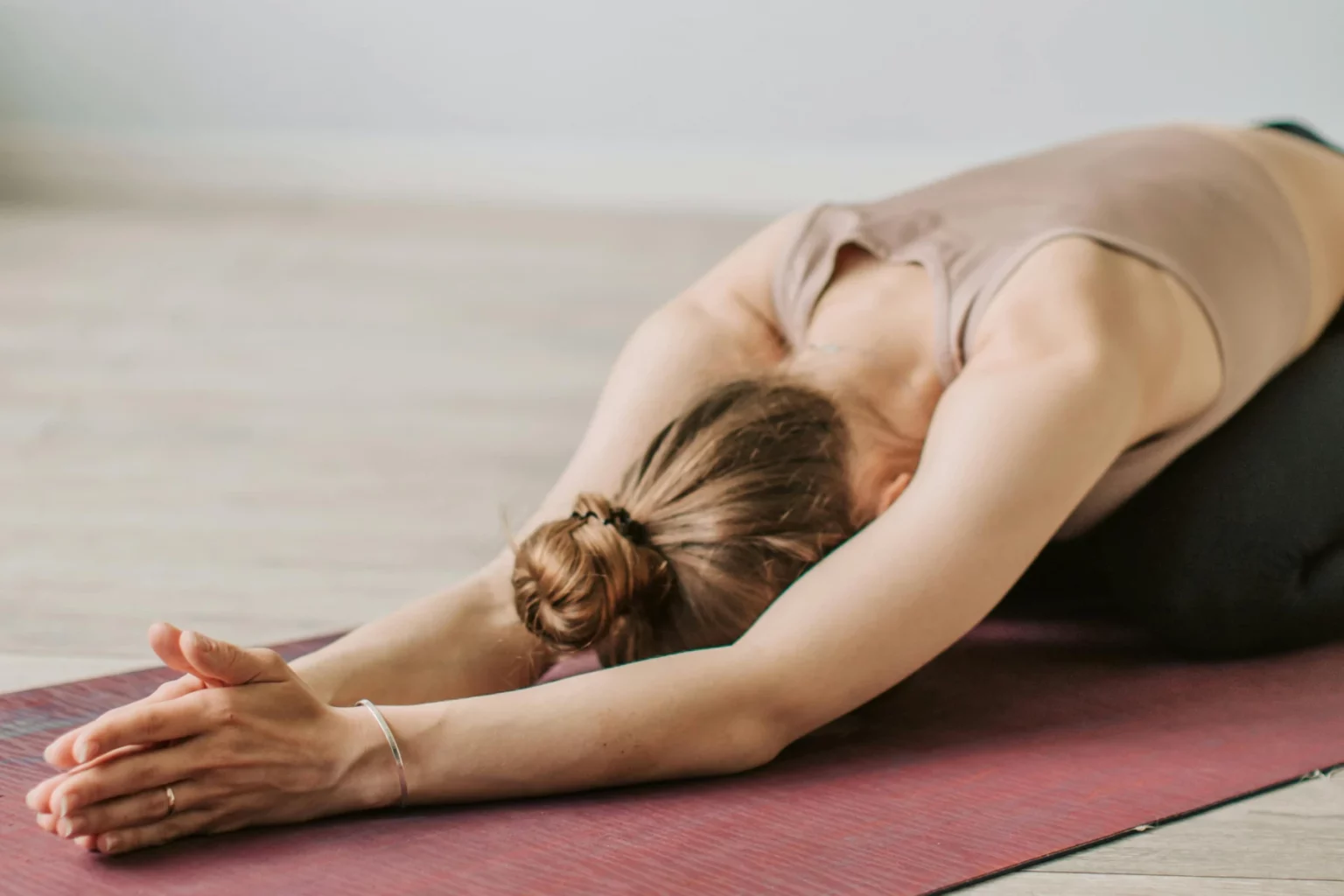
How to stretch safely and effectively
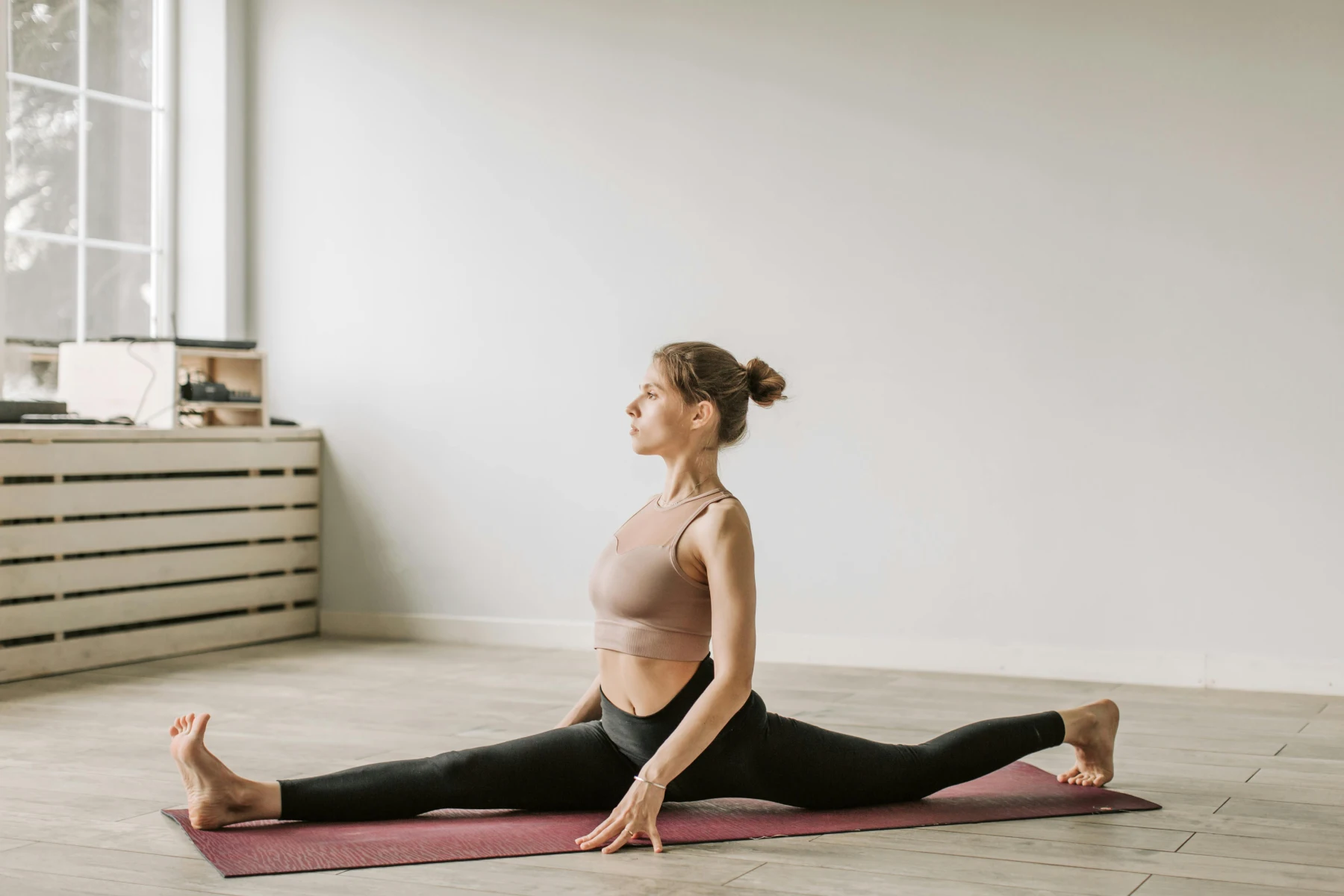
Improving flexibility is a process that requires patience and the right technique.
1. Warm-up first
Never stretch cold muscles! This is the fastest way to get injured. Start your practice with a few minutes of light cardio, gentle joint rotations, or movement to get the blood flowing before moving into deeper stretches. In our classes, the warm-up phase is specifically designed for this.
2. Breathe into the stretch
Your breath is your most powerful tool. Inhale normally, and as you exhale, gently deepen the stretch only if your body allows it. Holding your breath creates tension; deep, controlled breathing relaxes the nervous system and the muscles, allowing for safer, deeper release.
3. Use props
Don’t see props as a crutch—they are tools for intelligent practice. If you can’t touch your toes in a seated forward fold, use a yoga strap around your feet. If your hands don’t reach the floor in a standing pose, use blocks. Props help maintain proper alignment and support you in the pose.
4. Be patient and consistent
Flexibility takes time. Your body needs consistency to adapt. Celebrate small improvements: maybe you reached your ankles this week instead of your shins, or you can sit taller in a cross-legged position.